Achieve a Sophisticated Look with Costs Dining Table Legs Wood Options
Secret Factors to Bear In Mind for Dining Table Legs Timber Choices
When selecting wood for dining table legs, several vital factors require mindful factor to consider to make certain both performance and aesthetic charm. The choice of wood kind, characterized by its durability and one-of-a-kind grain patterns, plays an essential duty in the overall style and durability of the item. Additionally, one have to contemplate maintenance needs and the environmental ramifications of sourcing products. As these components intertwine, they considerably affect the final result of your eating table. Recognizing the nuances of each element can be complicated, leading to vital decisions that merit more exploration.
Wood Kind and Characteristics
When selecting wood for eating table legs, it is important to understand the distinct qualities of various wood kinds. Various timbers use distinctive benefits and drawbacks, influencing both the resilience and aesthetic appeal of the ended up item.
Oak, recognized for its outstanding longevity, likewise includes a noticeable grain that can add character to the table. Cherry timber, with its rich shade that deepens over time, gives an extravagant look yet may need more maintenance to protect against scratches.
On the various other hand, softwoods like yearn and fir are extra inexpensive and less complicated to work with, yet they are much less sturdy than hardwoods. Pine is light-weight and includes a warm, rustic appearance, making it a popular choice for laid-back eating settings. Nonetheless, it is much more at risk to dents and scratches.
Comprehending these features will certainly assist in making an educated decision to make sure the legs of the eating table meet both aesthetic and useful needs.
Grain Patterns and Looks
Picking the best grain pattern can dramatically enhance the visual appeal of table legs. The wood's grain is not just an aesthetic characteristic; it conveys an one-of-a-kind individuality and appeal to each item. Different wood types display unique grain patterns, ranging from the straight lines of maple to the complex swirls of oak and the striking number of walnut. These patterns can evoke different styles, from rustic to modern-day, making it important to select a grain that aligns with the general layout of the dining room.
Moreover, the positioning and scale of the grain can affect the perceived dimension and sophistication of the table. For example, larger, a lot more pronounced grains may lend a bold, dramatic result, while finer, subtler grains can create an improved, underrated look. In addition, the ending up process can additionally enhance these patterns, highlighting the natural elegance of the timber and highlighting rich colors.
Inevitably, the choice of grain pattern ought to harmonize with other style aspects, such as the tabletop and surrounding furnishings, guaranteeing a natural aesthetic that raises the eating experience. Thoughtful selection of timber grain not only contributes to the table's appeal yet likewise mirrors the proprietor's preference and design.
Sturdiness and Strength
The sturdiness and stamina of dining table legs are extremely important factors to consider for guaranteeing longevity and stability in any kind of eating room. Picking the appropriate timber is essential, as different types exhibit differing levels of durability.
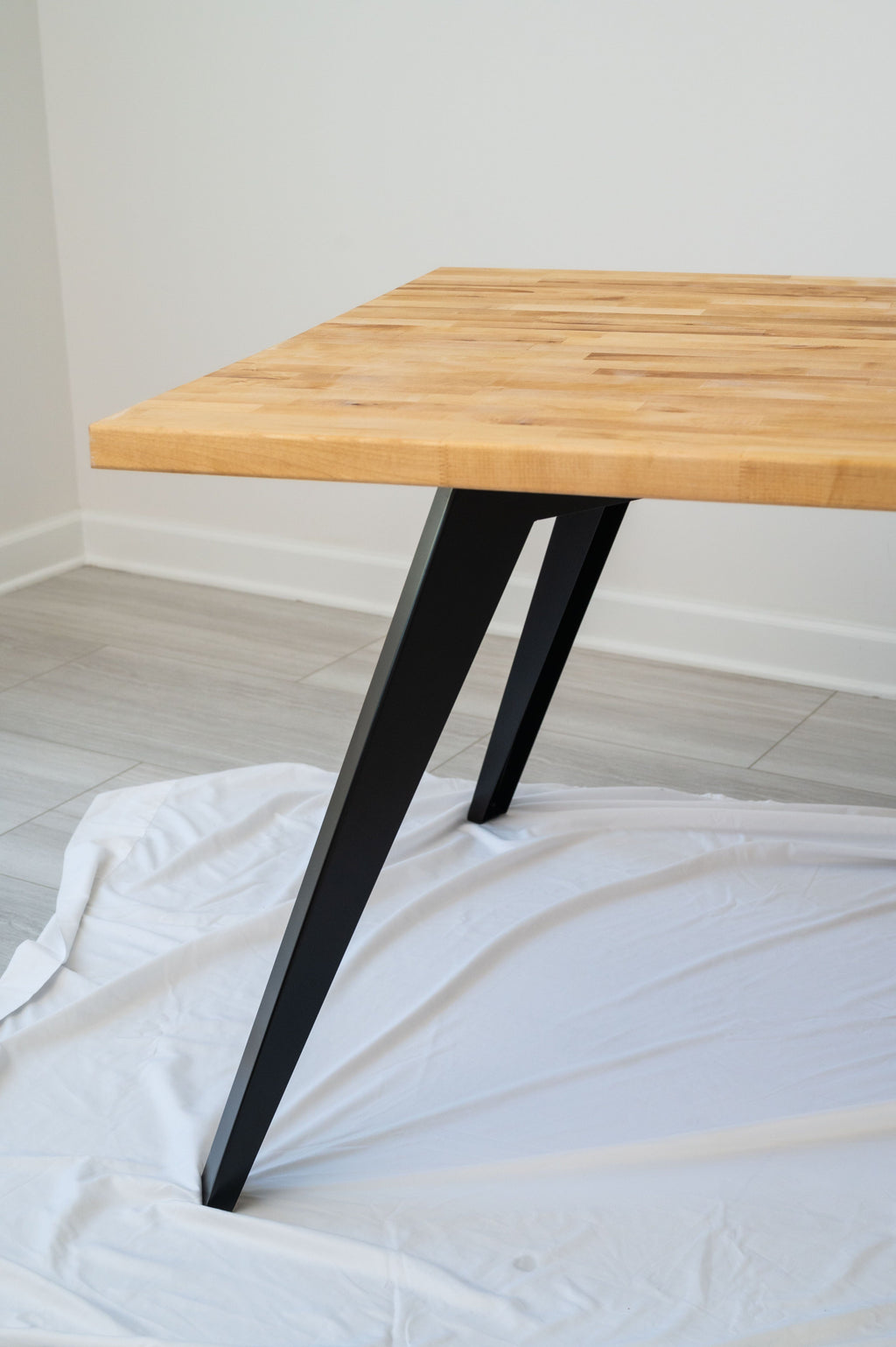
Inevitably, buying premium timber and durable construction methods will generate an eating table that stands the examination of time, while supplying a trusted structure for many meals shared among friends and family. Focusing on longevity and toughness makes certain that your table stays functional and cosmetically pleasing for several years to find.
Maintenance and Care
Correct maintenance and treatment are crucial for maintaining a fantastic read the durability and toughness of eating table legs made from wood. Regular cleansing is vital; using a soft, moist cloth makes certain that dust and debris do not collect, which can result in scratches and monotony. It additional reading is advisable to stay clear of extreme chemicals or abrasive products that could harm the finish.
In addition, applying an ideal wood gloss or wax periodically can aid preserve the luster and secure the wood from wetness and spills. It is critical to comply with the supplier's recommendations pertaining to the type of product to make use of, as certain surfaces might respond adversely to certain chemicals.
Moisture and temperature changes can additionally influence wooden table legs, triggering them to warp or split. It's best to put the table far from straight sunshine and heat sources. If the table legs have any kind of scratches or dents, dealing with these immediately can prevent further damage.
Lastly, periodically evaluating the joints and screws for rigidity is important to maintain structural integrity (Dining Table Legs Wood). By adhering to these maintenance methods, house owners can guarantee their wood eating table legs stay useful and enticing for many years to find
Ecological Considerations
When picking timber for dining table legs, it's vital to take environmental considerations into account. The sourcing and sustainability of timber are extremely important in minimizing ecological influence. Deciding for timber from licensed sources, such as those backed by the Forest Stewardship Council (FSC), ensures that the hardwood is collected properly, promoting woodland preservation and biodiversity.

Furthermore, local sourcing of wood reduces transportation emissions, sustaining neighborhood economies while lessening environmental effect. It is likewise suggested to be familiar with the timber's therapy and ending up processes, as specific chemicals can be dangerous to both human health and the setting. By focusing on sustainable timber selections, customers can add to environmental conservation while appreciating the sturdiness and beauty of their table legs.
Verdict
In verdict, selecting wood for eating table legs requires mindful consideration of different aspects, including timber types, grain patterns, and longevity. Upkeep needs and ecological sustainability additional impact timber options, highlighting the significance of sourcing from accredited or reclaimed materials.
When selecting wood for eating table legs, several important factors call for cautious consideration to ensure both functionality and visual allure.Appropriate upkeep and care are important for maintaining the sturdiness and toughness of eating table legs made from timber.When selecting wood for dining table legs, it's important to take ecological factors to consider into account. By prioritizing sustainable wood options, customers can add to ecological preservation while appreciating the durability and charm of their dining table legs.
In final thought, choosing timber for eating table legs requires cautious factor to consider of various elements, including wood kinds, grain patterns, and toughness. Dining Table Legs Wood.